

Last Friday, July 11, in the city of Iquitos, the formation of the Management Committee of the Ramsar Site “Wetlands Complex of the Pastaza River Fan” was made official, in a day that marks a milestone in the strengthening of participatory environmental governance in the Peruvian Amazon.
The ASL2 Amazonian Forests project, led by the Ministry of the Environment (Minam) and financed with funds from the Global Environment Facility (GEF), has been promoting spaces that strengthen governance and promote active participation. of the Regional Government of Loreto, local governments, indigenous organizations, public institutions and civil society.
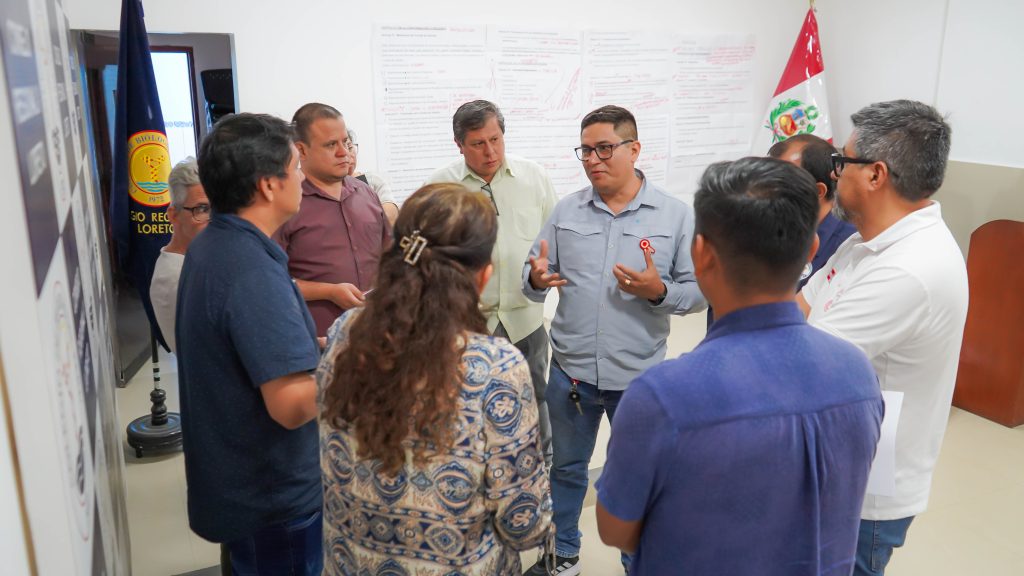
Photo: Regional Environmental Management Office of Loreto
“With this committee, we consolidate a co-management model in which decisions about the territory are built from dialogue and local knowledge. From Minam we will continue to provide the necessary technical support so that this process is maintained and strengthened.”, said Marco Enciso, director of Minam's Ecosystem and Species Conservation Directorate.
During the installation meeting, the committee's board of directors was elected, its internal regulations were validated and shared commitments were established to promote sustainable management of the country's largest wetland. The Committee thus becomes a space for inter-institutional coordination that will make it possible to follow up on actions in the territory, strengthen the exchange of information, and ensure the active participation of all stakeholders.
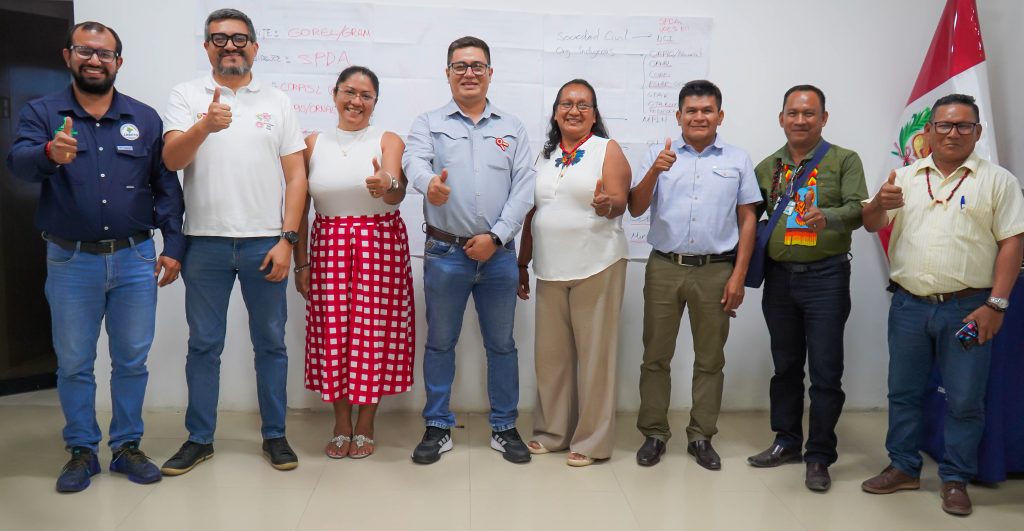
Photo: Regional Environmental Management Office of Loreto
Cristina Portocarrero, technical coordinator of the ASL2 project, pointed out that “this committee is the result of a sustained process of articulation with key actors of the territory, and reaffirms that the conservation of our wetlands is only possible if we work in a participatory manner, with a long-term vision and with the leadership of those who inhabit and protect these ecosystems.”.
The Ramsar Site, internationally recognized since 2002, covers more than 3.8 million hectares that fulfill key functions such as water regulation, carbon storage and the provision of natural resources for hundreds of communities. It is also home to a great diversity of Amazonian flora and fauna species.
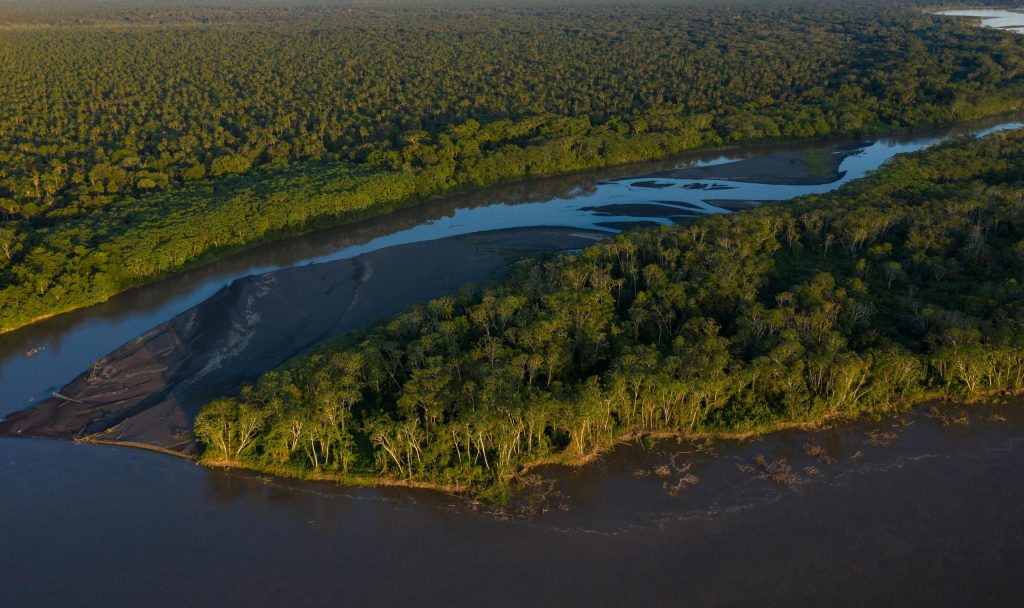
Photo: Profonananpe.
About the project “Bosques Amazónicos ASL2”.”
Promote the conservation of healthy, functional and climate change resilient forests and wetlands; maintaining important carbon stocks, avoiding Greenhouse Gas (GHG) emissions and generating sustainable and resilient local livelihoods.
This initiative is implemented by the Ministry of the Environment (MINAM), with financing from the Global Environment Facility (GEF); and is supported by the Food and Agriculture Organization of the United Nations (FAO), the International Fund for Agricultural Development (IFAD), the United Nations Industrial Development Organization (UNIDO) and Profonanpe.